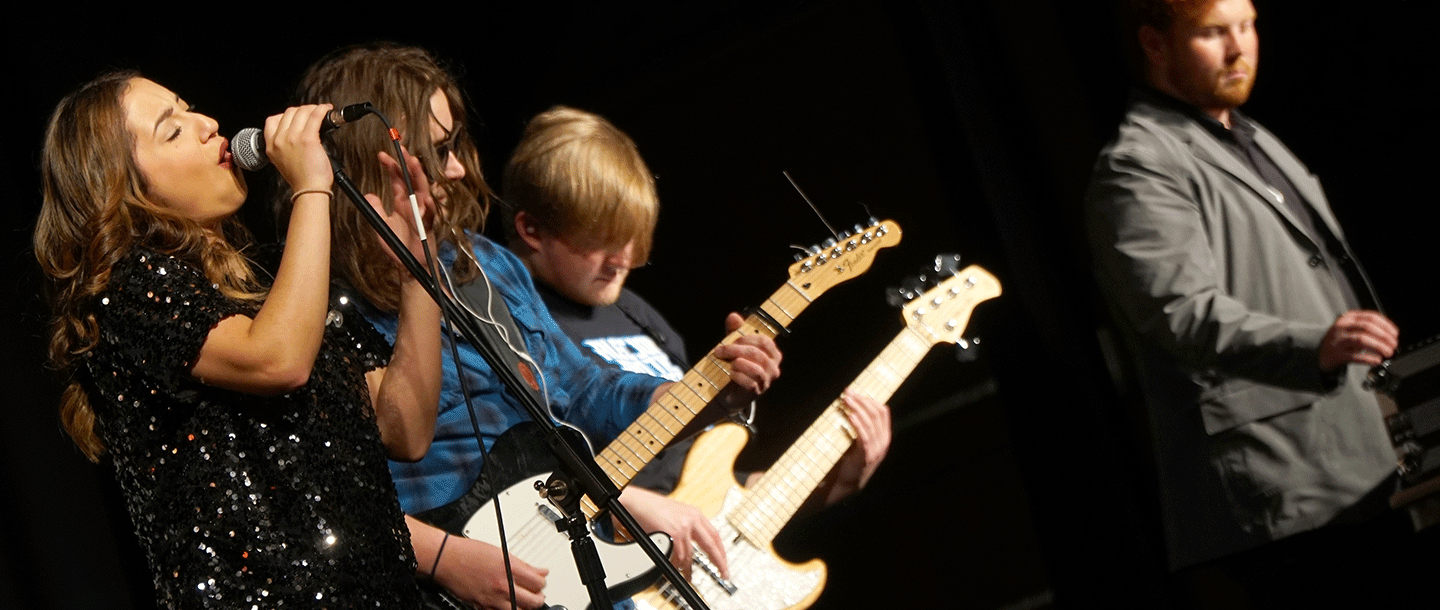
Our program reaches beyond expectations, both creatively and academically, and students gain hands-on experience in professional settings. Find your passion creating music, performing on stage, managing behind-the-scenes business details, or educating the next generation.
Potential Career Opportunities
Careers in music include producing, managing, and booking musical acts. Perform in professional orchestras, ensembles, or bands, or be a studio musician. Write music or score film and multimedia projects. Share your love for music with the next generation through teaching, music therapy, and through managing community choirs, bands, or orchestras.

Will Keebler, Music Industry
“The Music Department is great because the faculty really work to individualize the program for each student and guide us toward our own path to success..."
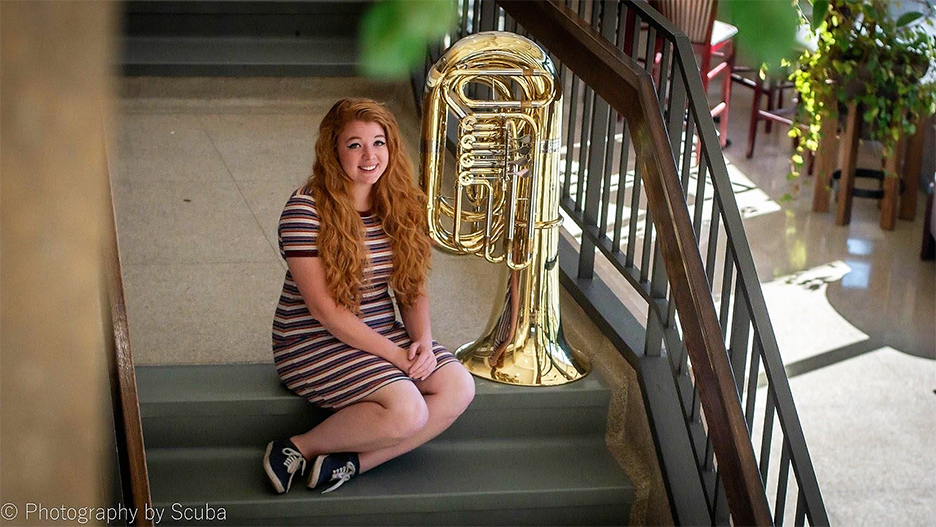
Miranda Kelley, Instrumental Music Education
"I came to Minnesota State University, Mankato because the music program here is so forward-thinking...”

Megan Littlepage, Vocal Performance
"...I feel so supported in my endeavors and I’m extremely grateful for the opportunities I’ve been given in this department.”

Jake Kaukola, Instrumental Music Education
"The Music Department is very comprehensive with the variety of courses and studies MN State Mankato has to offer..."

Erika Dobie, Vocal Performance
"...I have learned more about music here than I ever thought I could..."
Music Degree Programs
Consider the satisfaction of a life spent sharing the joy of music. In our music education programs, you will be surrounded and supported by dozens of students and teachers who feel exactly the same way. Our priority mission is to give you the skills you need to succeed, in a life of music.
Student Resources
Links to various student resources for Music & Entertainment Industries students.
Events & Tickets
Purchase your music performance ticket today! Advance ticket purchase is strongly encouraged. For more information or to purchase group tickets, call the Performance Series office at (507) 389-5549.
Music Faculty & Staff
Faculty and staff contact information for the Department of Music & Entertainment Industries.