Family Consumer Science
Family and Consumer Science (FCS) education programs provide essential skills to develop healthy people and to empower individuals and families. FCS is the field of study focused on the science and art of living and working well in our complex world.
Careers in Family Consumer Science
- FCS Teacher (grades 5-12)
- Extension Educator
- Business and Industry Education
- Career and Technical Education Teacher or Coordinator
- Family Resource Coordinator
- Housing and Community Outreach Specalist
- Community Education Director
- Curriculum Developer
- FCS Entrepreneurial-Related Careers
Potential Salary
Median Salary $64,580
Family Consumer Science Degrees at MSU
Family Consumer Science Education, Bachelor of Science
The Family and Consumer Science (FCS) education program prepares students to teach FCS in grades 5–12. As part of the Career and Technical Education field, this program emphasizes practical, real‑world skills that support healthy living and empowers individuals and families to thrive and manage the challenges of living and working in a diverse, global society.
Core content areas include:
- Culinary Arts and Food Science
- Nutrition and Wellness
- Human Development, Relationships and Parenting
- Textiles, Fashion Design and Marketing
- Interior Design and Family Housing
- Financial Literacy and Resource management
- Career Exploration and Postsecondary Training Options
Family Consumer Science Education, Graduate Certificate
This certification program offers courses for those with a teaching degree or pursuing a graduate teaching degree to meet MN standards for Family Consumer Science Education licensure (grades 5-12). Credits may transfer to a graduate program or be used for teaching contract lane changes. It also meets Higher Learning Commission (HLC) standards for 18 in-discipline graduate credits, enabling individuals with a master’s degree to teach FCS courses at community or technical colleges.
Family Consumer Science Education, Bachelor of Science
The Family and Consumer Science (FCS) education program prepares students to teach FCS in grades 5–12. As part of the Career and Technical Education field, this program emphasizes practical, real‑world skills that support healthy living and empowers individuals and families to thrive and manage the challenges of living and working in a diverse, global society.
Core content areas include:
- Culinary Arts and Food Science
- Nutrition and Wellness
- Human Development, Relationships and Parenting
- Textiles, Fashion Design and Marketing
- Interior Design and Family Housing
- Financial Literacy and Resource management
- Career Exploration and Postsecondary Training Options
Family Consumer Science Education, Graduate Certificate
This certification program offers courses for those with a teaching degree or pursuing a graduate teaching degree to meet MN standards for Family Consumer Science Education licensure (grades 5-12). Credits may transfer to a graduate program or be used for teaching contract lane changes. It also meets Higher Learning Commission (HLC) standards for 18 in-discipline graduate credits, enabling individuals with a master’s degree to teach FCS courses at community or technical colleges.
Program Strengths
- Integrates science, humanities, and the arts
- Emphasizes experiential learning, research, and technology
- Prepares students for careers, life skills, and community impact
- Embeds sustainability, consumer decision-making, and leadership
- Supports informed choices for well-being and quality of life
Get Involved!
At Minnesota State University, Mankato, learning goes beyond the classroom. Join one of our student organizations to connect with peers, gain hands-on experience, and build a strong foundation for your future career.
-
American Association of Family and Consumer Sciences (AAFCS)
-
Minnesota Affiliate (MAFCS) Student Unit
-
FCS Education Club
-
Phi Upsilon Omicron (Honor Society)
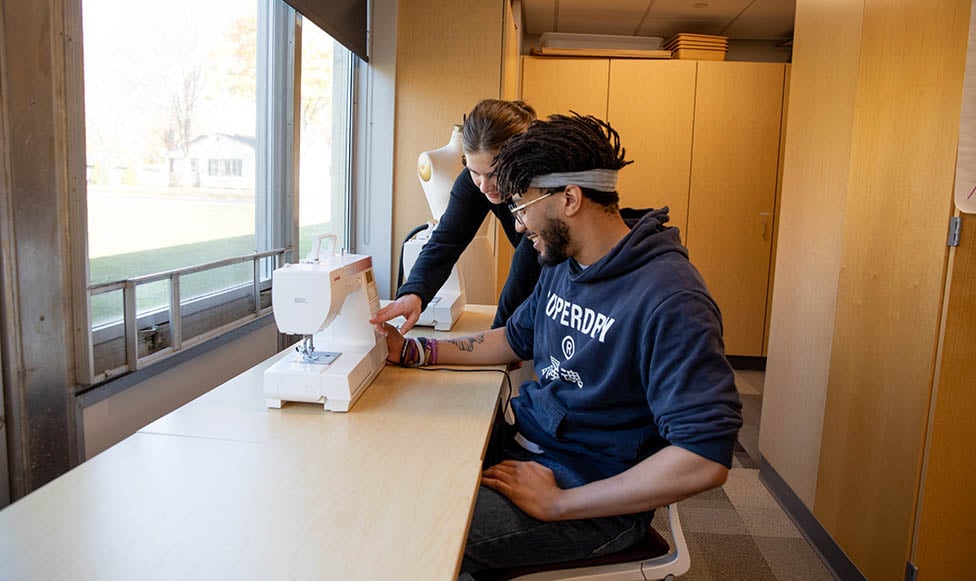
Family Consumer Science Labs and Classroom
Students learn by doing in industry-aligned, hands-on learning spaces:
- Culinary and Foods Laboratory featuring Cambria® quartz workstations and commercial-grade equipment, for food safety, production and lab management.
- Textiles and Apparel Lab focused on garment construction and textile analysis.
- Technology-Rich Classrooms that support innovative, instructional technology and digital integration tools for FCS and CTE instruction.
Learn More
Family Consumer Science Education
Our Family Consumer Science Education program has been approved by the Minnesota Department of Education, this program allows our graduates to apply for licensure to teach Family Consumer Science in grades 5-12.
Why Family Consumer Science - Video
Watch our video and hear from our graduates about why they chose Family Consumer Science. Discover their inspiring stories and career paths.
Related Programs
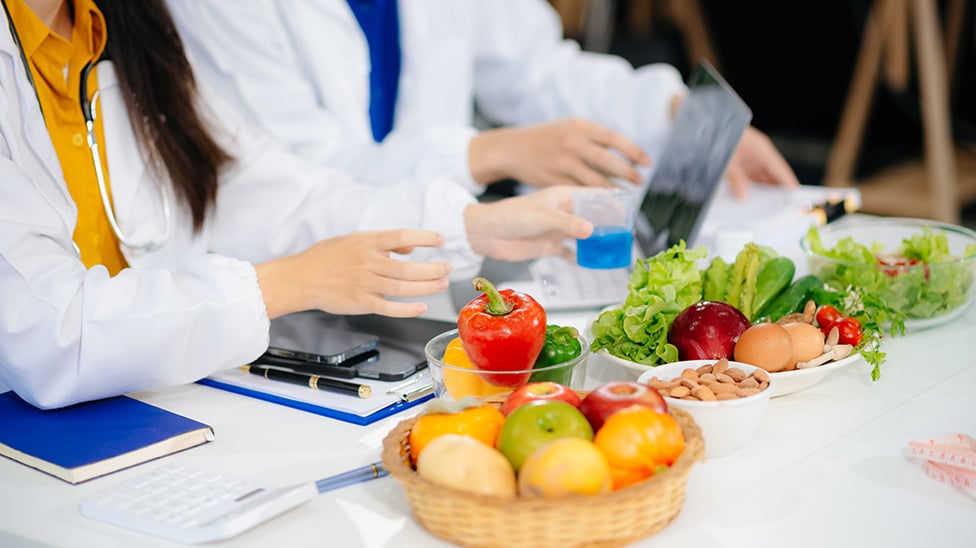
Nutrition, Food and Dietetics
In the Dietetics, Food and Nutrition programs, students will gain knowledge needed for careers in health, fitness, dietetics and food-related industries, with opportunities for supervised practice and graduate studies.

Health and Physical Education
The Health and Physical Education major at Minnesota State Mankato is dedicated to preparing future teachers to educate young learners on the critical importance of physical activity. Through classroom learning and real-world teaching experiences, students gain the expertise to design and execute comprehensive physical education programs that encourage students to commit to health and fitness.

Physical Education and Developmental Adapted Physical Education (DAPE)
The Physical Education and Developmental Adapted Physical Education (DAPE) major offers a robust curriculum that prepares future teachers to impact the physical health and well-being of PK-12 students significantly. This program prepares graduates to teach PK-12 students, with and without disabilities, about the importance of physical activity.
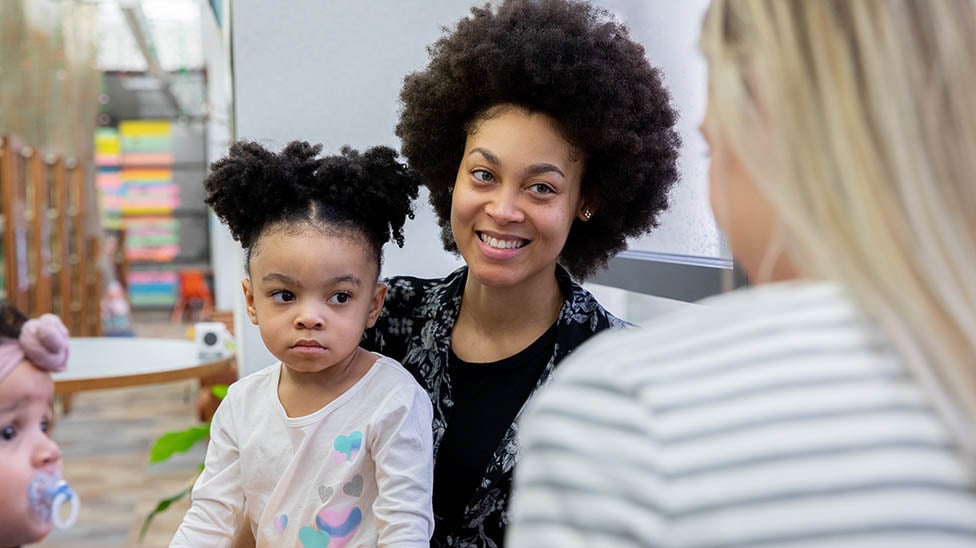
Child Development and Family Science
The Child Development and Family Science program prepares you to support children, adults and families in a wide variety of settings. With options to earn a bachelor’s degree, minor or certificate, you’ll build practical skills grounded in evidence‑based learning and real‑world experience to support children, families and communities across diverse settings.
College of
Allied Health and Nursing
The College of Allied Health and Nursing is a thriving community dedicated to preparing future leaders in nursing, communication sciences and health-related fields. With state-of-the-art learning centers, real-world experiences, clinical practicums and fieldwork and strong community connections, students gain the hands-on training needed for success. Committed to equity and inclusion, we create an environment where all learners can excel and make a meaningful impact in health and wellness.